


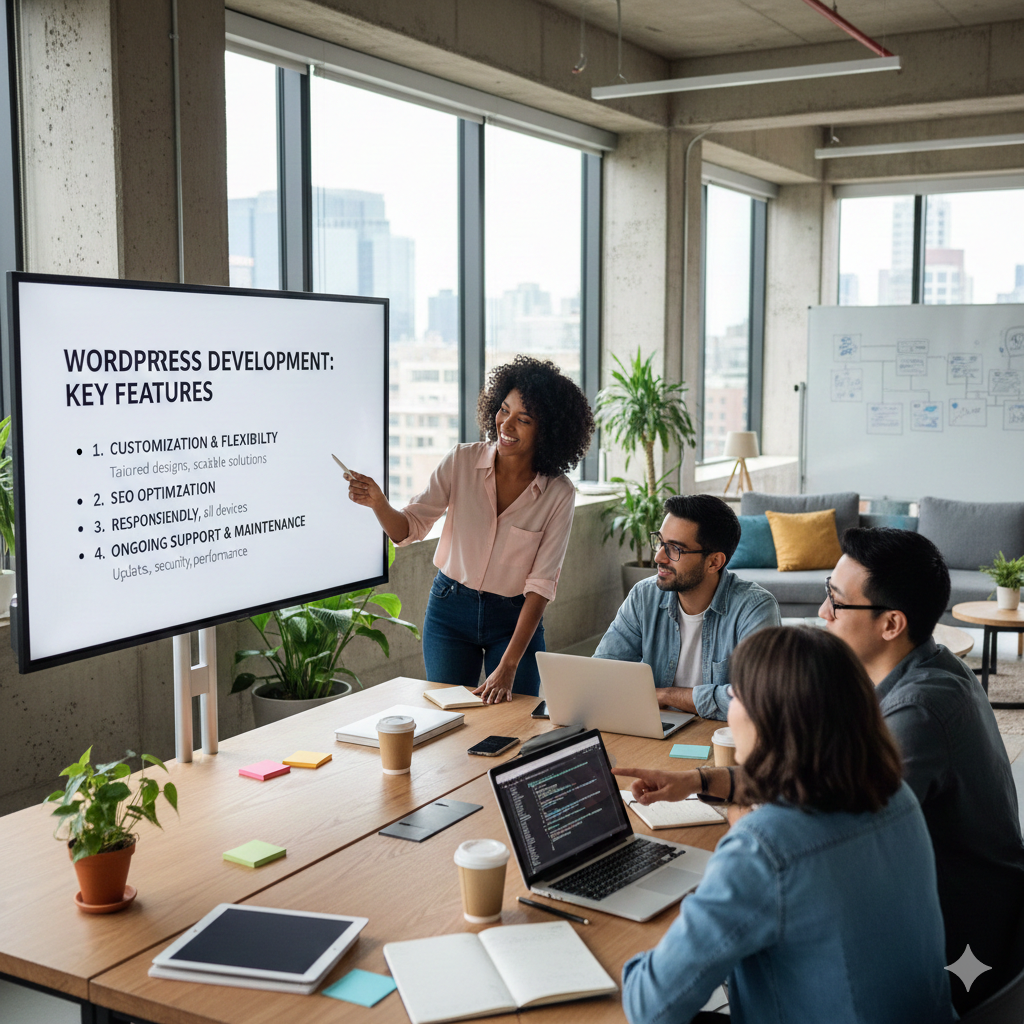
What Are the Key Features to Look For in a WordPress Website Development Service?
When hiring a service or agency to build your WordPress website, you’re investing in your digital future. The quality of the development team directly impacts your site’s performance, security, and long-term scalability. Don’t just look at the price tag; evaluate the service based on these critical features.
1. Technical Proficiency and Code Quality
A beautiful design is worthless if the underlying code is sloppy, slow, or insecure.
-
פיתוח ערכות נושא מותאמות אישית: Look for developers who build clean, lightweight custom themes based on modern standards (like Gutenberg/Block Editor), rather than relying solely on bloated, all-in-one page builders.
-
Performance Optimization Built-In: The service must prioritize speed from the start. They should implement caching solutions (like Redis), optimize image delivery (WebP), and write efficient, non-blocking code. Ask about their Core Web Vitals strategy.
-
Security Implementation: The service should go beyond basic security plugins. Key practices include two-factor authentication (2FA) setup, implementing the principle of least privilege for user roles, and hardening file system access.
-
Version Control (Git): Professional agencies use Git for all theme and plugin code development. This ensures accountability, facilitates easy collaboration, and allows for quick rollbacks if deployment issues arise.
2. Strategy and Discovery Process
Development should be guided by business goals. It should not be driven solely by technical tasks.
-
Detailed Discovery Phase: The service should start with in-depth meetings to understand your brand, target audience, and primary business objectives (e.g., lead generation, e-commerce sales, content marketing).
-
Information Architecture (IA) Planning: They should plan the site’s structure, navigation, and user flow (UX/UI) before starting design. A logical IA is crucial for user experience and search engine optimization (SEO).
-
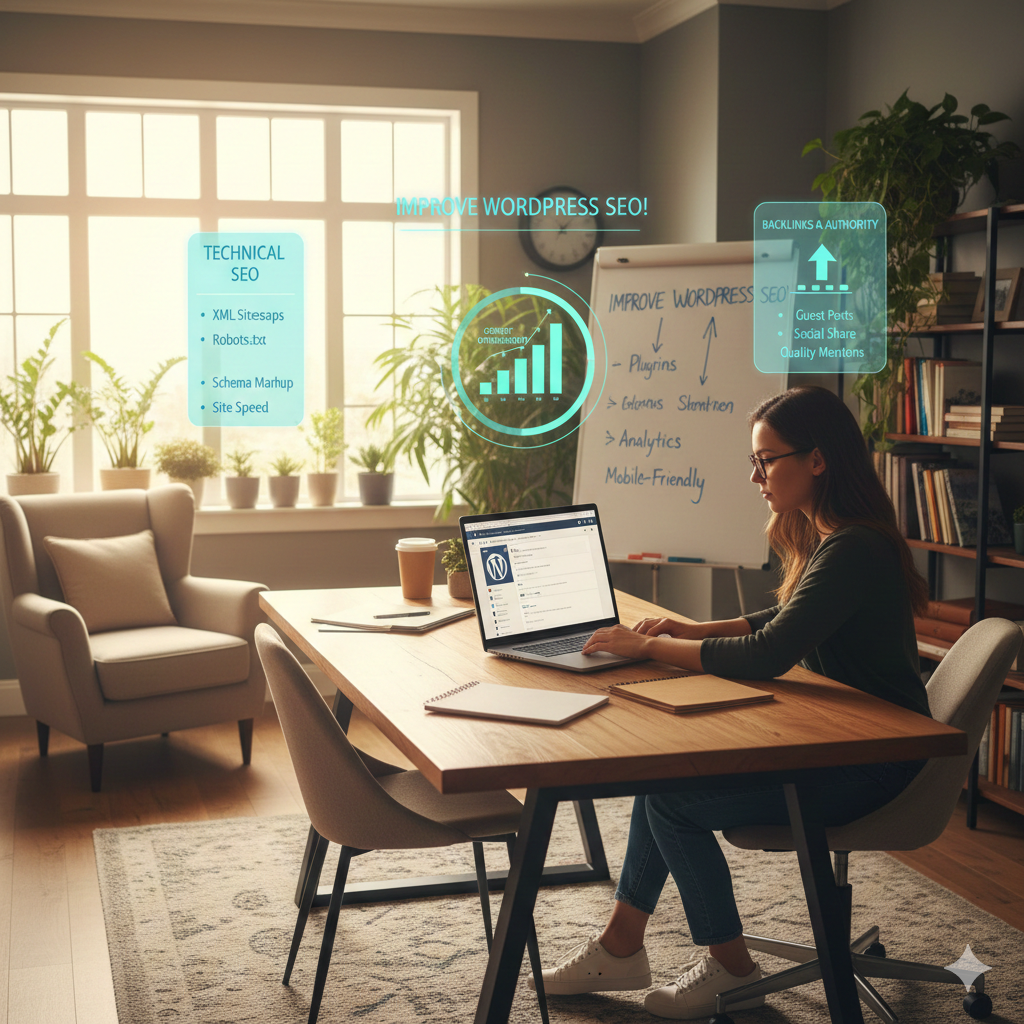
SEO Foundation: The development must include fundamental SEO setup: clean permalinks, XML sitemap generation, and schema markup integration, not just “installing an SEO plugin.”
3. Support, Maintenance, and Scalability
You need a partner for the long haul.
-
Post-Launch Support and Training: The service should provide comprehensive training on how to manage the content, use the theme’s custom features, and handle basic updates.
-
Managed Updates and Maintenance: Does the service offer an ongoing maintenance plan that includes regular updates for WordPress core, themes, and plugins? This is vital for security and stability.
4. Transparent Workflow
A transparent process builds trust and ensures the project stays on track.
-
Regular Communication: Expect consistent updates, whether through weekly meetings, project management software (like Jira or Asana), or detailed progress reports.
-
Clear Ownership: The contract should clearly state that upon final payment, you retain full ownership and rights to all custom code and content created for your project.
כתיבת תגובה